
We started farming Lovewell Farm in 2017. The addition of Lovewell grew many aspects of our Fresh Roots Farming Program. We were afforded the ability to welcome in more volunteers and groups, expand our bed space to include 80 more growing beds, plant and establish mature fruit trees, and because of the increased workload the farm added we could hire more young professionals to work for us.
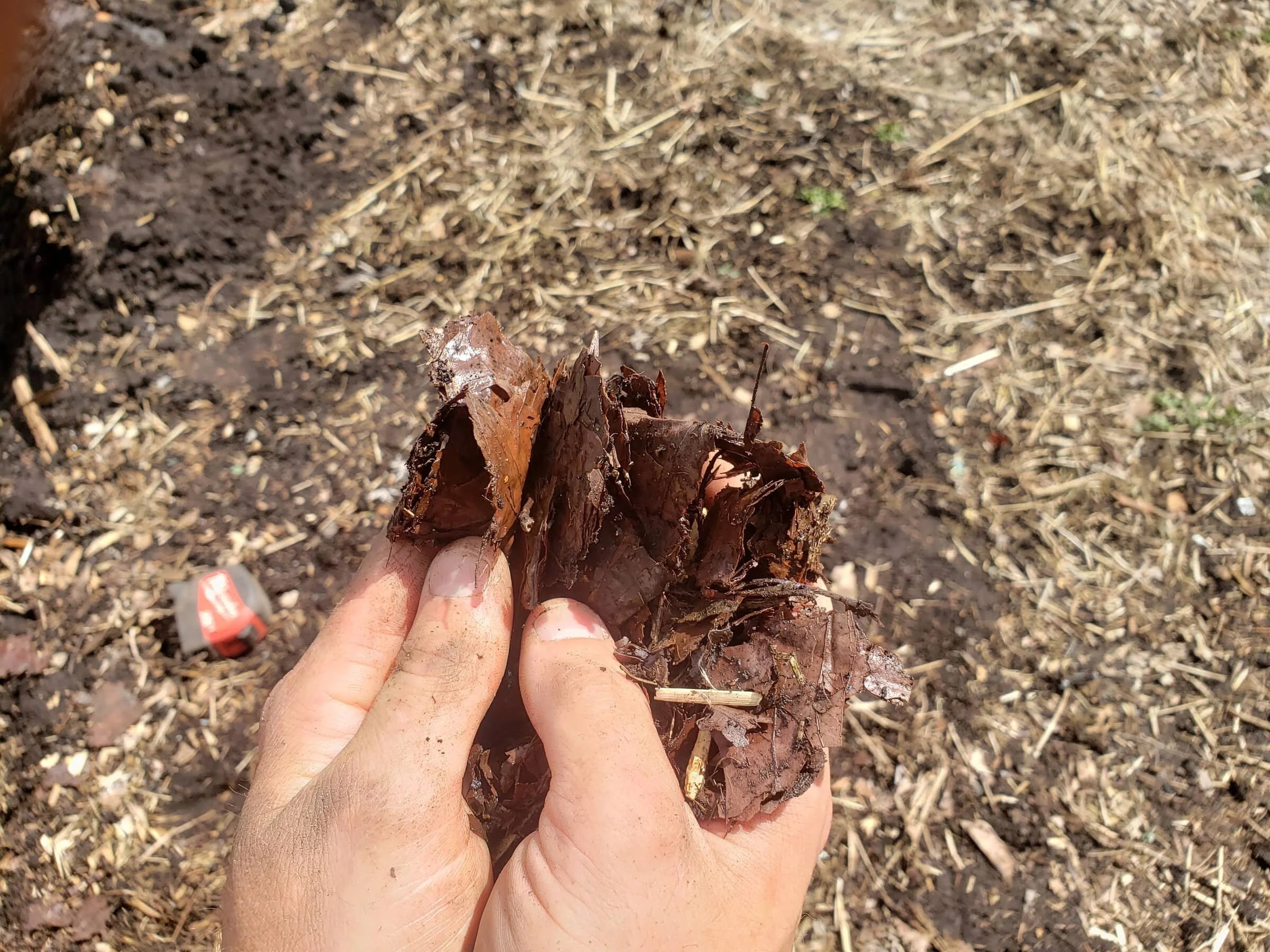
Lovewell was a restorative effort. When we arrived, the plot had been fallow on and off for over 35 years. From 2017-2020 we diligently cleared away vines, logs, and trash and executed a years-long crusade against persistent weed pressure from mile-a-minute, Japanese knotweed, mugwort and more through tarping, mulching, and mowing for extended periods. For a period of about a decade the plot was used as a leaf dump after it was retired from farming. As a result, Lovewell Farm sits about 12ft higher than the surrounding area. When we began to build out our four field blocks, we realized that about 40-60% of the leaves depending on the area had not broken down, due to lack of air. We were digging up leaves from the ‘80s and have newspapers and wrappers from Halloweens past to prove it! Through exposing the leaves to air, adding on compost, and tarping as needed the beds became ideal for growing strong and healthy veggies.
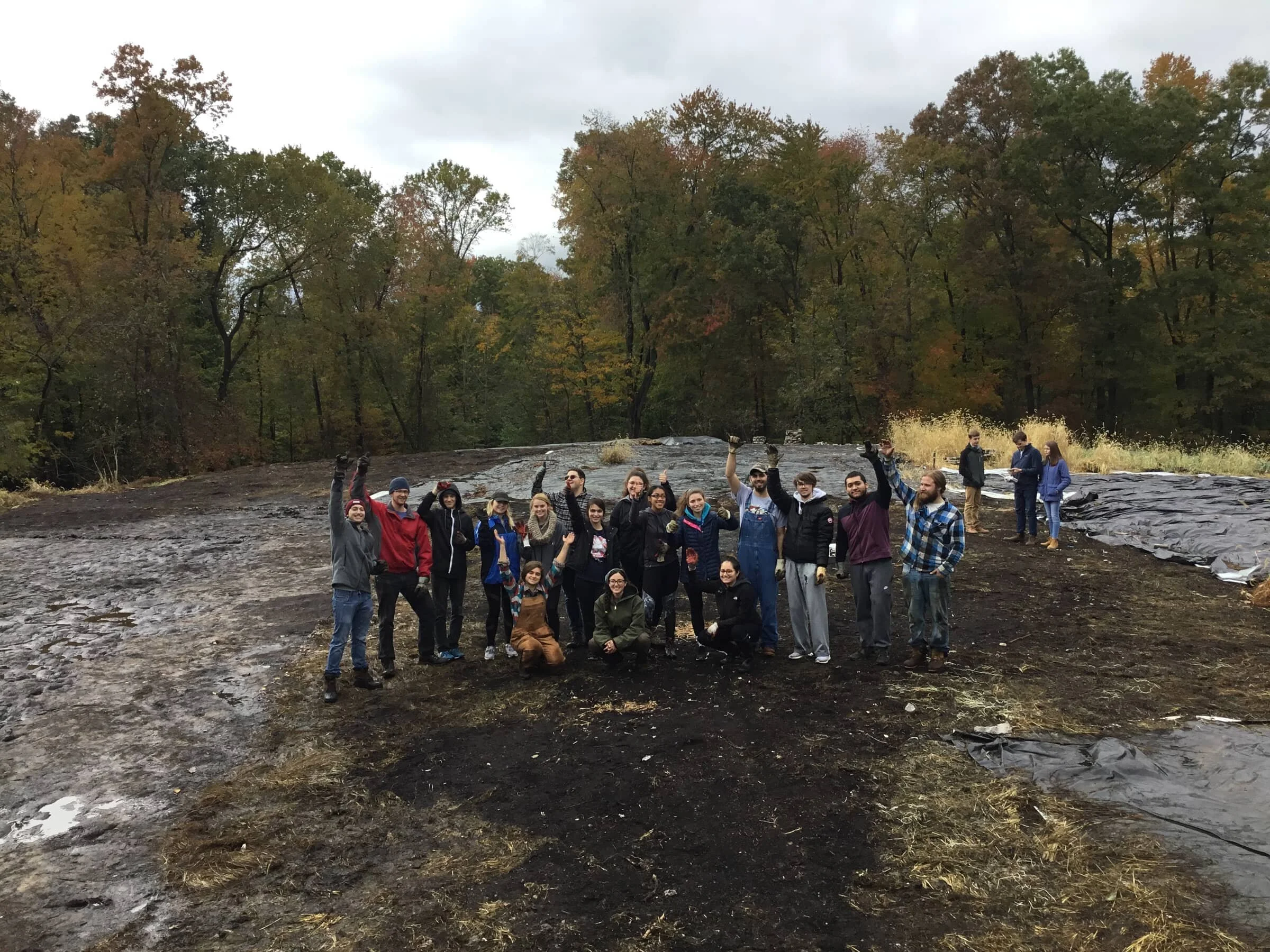
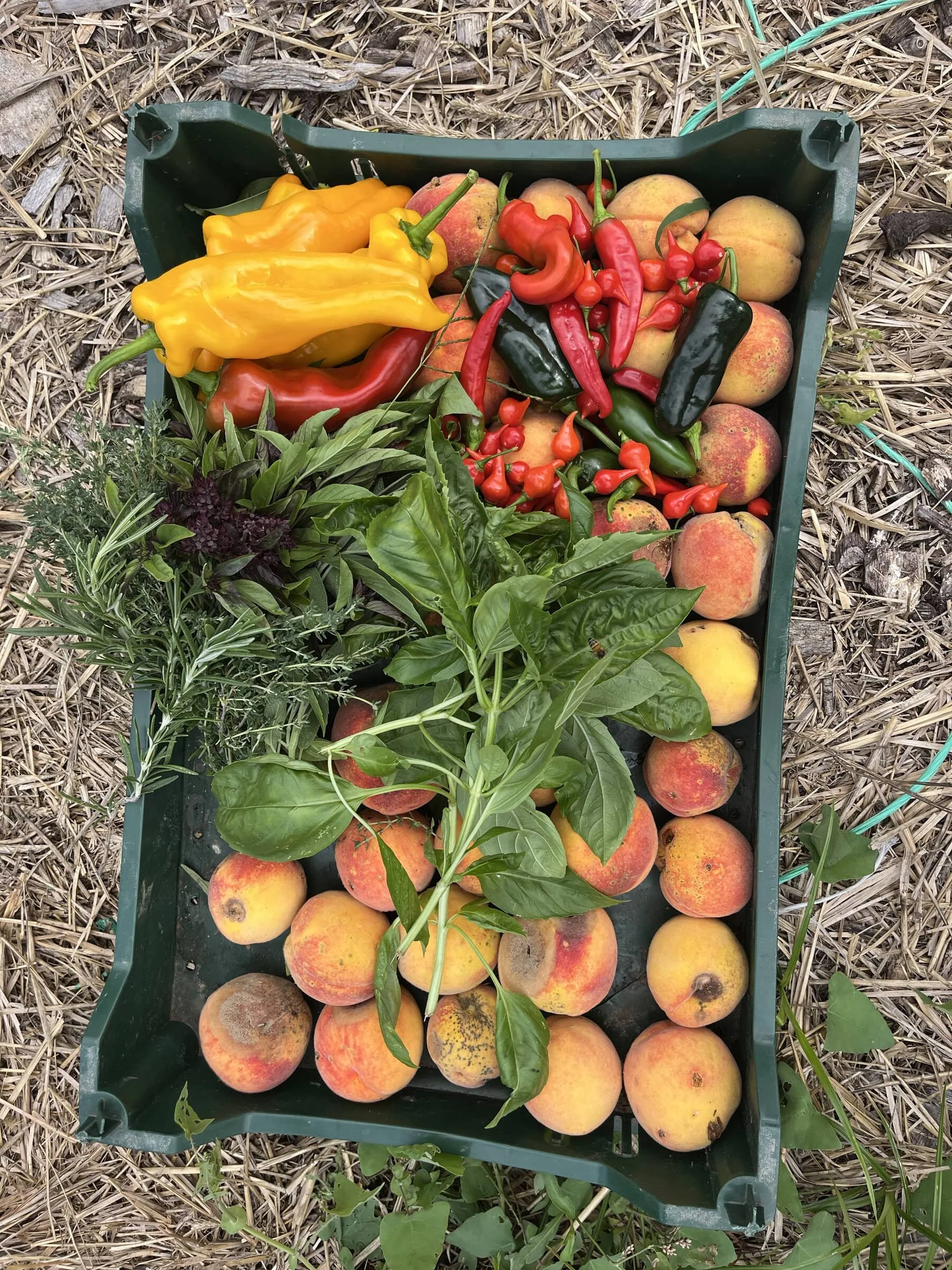
The construction of the deer fence accelerated Lovewell’s functionality to new heights as we were able to grow a wider range of crops that deer would have mowed down in the past. In 2021 we completed our final crop block and from 2021-2025 the farm was in full production. This past summer, our fruit trees planted in March of 2025 came into full production and we saw a thrilling abundance of peaches and asian pears.

The loss of Lovewell will correlate to a 50% reduction in production and farm volunteer opportunities, and may put current staff positions in jeopardy.